Iris Ouellette, '10 is a Civil War scholar in her spare time. The following is the result of some of her research over the past few years. What she has learned about Luzerne County veterans of the Civil War is quite interesting and gives us a better picture of people from that time.
*******************************************************************************
Eugene Beauharnais Beaumont
by Iris Ouellette
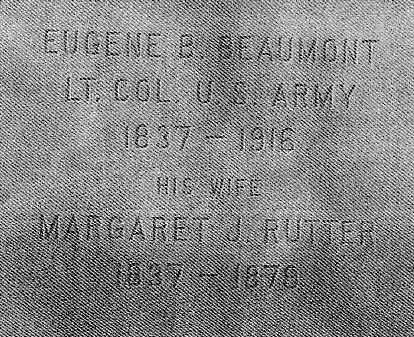
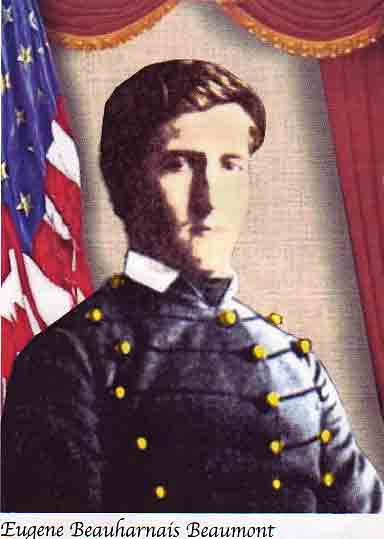
On a hill at the Hollenback Cemetery lies the winner of two Medals of Honor. Eugene Beauharnais Beaumont, Civil War hero, was born on August 2, 1837 in Wilkes-Barre, Pennsylvania. His father, Andrew Beaumont, had served in the United States Congress from 1832 to 1836, and was a descendant of a line of Mayflower colonists. Eugene was appointed to the United States Military Academy at West Point on July 1, 1856 where he graduated 32nd in his class. He was soon commissioned a 2nd lieutenant in the 1st United States Cavalry on May 6, 1861. From May until June, he drilled volunteer troops in Washington, D.C. And fought in the battle of First Manassas (or Bull Run) as a volunteer aide-de-camp to Colonel Ambrose E. Burnside in the First Cavalry.
On August 3, 1861, he was transferred to the Fourth United States Cavalry and served as an acting adjutant general of the regiment. He would soon be promoted to first lieutenant on September 14, 1861, and was assigned aide-de-camp to General John Sedgwick. In this appointment, he participated in guarding the upper section of the Potomac River and was dealing in the Peninsular campaign from March through May of 1862. For a short time, he was posted as aide-de-camp to General Henry W. Halleck, but was promoted to captain in the volunteer army and returned to General Sedgwick's personnel on May 13,1863. General Halleck was known to be one of the most unpopular men in Washington. Saturnine and cantankerous, he freely insulted everyone with whom he had a problem, even important political figures. He despised politicians and let them know it. Based on several accounts of Beaumont's time with Halleck, Halleck was not fond of Beaumont, which undoubtedly caused their parting of ways.
Beaumont earned his first medal of honor for his performance at the Battle of Harpeth River, Tennessee. According to the Medal of Honor citation, he “obtained permission from the corps commander to advance upon the enemy's position with the 4th U.S. Cavalry, of which he was lieutenant; led an attack upon a battery, dispersed the enemy, and captured the guns.” He then was brevetted lieutenant colonel of volunteers on March 13, 1865, for “gallant and meritorious service” during the trailing of John Bell Hood's army in Tennessee. His next honor was awarded on April 2, 1865. He won a brevet to major in the regular army and to colonel of volunteers as well as a second Medal of Honor in his attack on the Confederate fortresses at Selma, Alabama. The Medal of Honor citation states that he “charged, at the head of his regiment, into the second and last line of the enemy's works.” Confederate president Jefferson Davis was placed in Beaumont's charge when he was captured in Georgia in 1865.
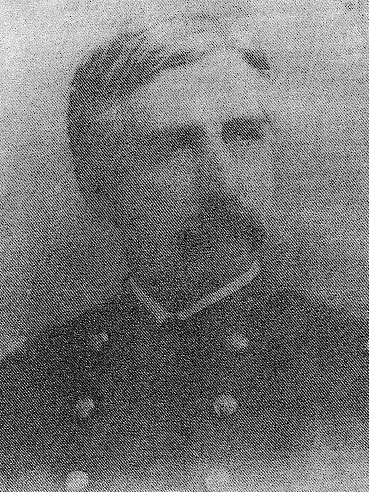
According to Robert Goldthwaite Carter, an officer in his regiment, Beaumont was “one of the finest types of an 'all around,' efficient” cavalry officer in the army. “With his jet black hair and moustache, soldier's slouch hat, riding pants tucked into his boots, pistols in his belt, and off-hand soldierly way of putting things,” Beaumont “favorably impressed” the men of his troop. On August 17, 1916, he died at Harvey's Lake, Pennsylvania at the age of 79.
*******************************************************************************
Missing in Action:
The Story of Private Ransford Fairchild
by Iris Ouellette
Uneducated and poor, Ransford Fairchild enlisted in the Union Army on June 13, 1861 in Luzerne County, Pennsylvania at the age of twenty-eight. His older brother, Byron, enlisted almost a month later at the age of thirty. The two were mustered into service on July 27th, 1861 in Washington, D.C., and began to serve as privates in the 7th Reserve Corps 36th Regiment Company F. Ransford's term was three years.
He often sent letters home to his family, but moving around often caused the papers to spoil and the availability of postage stamps to lessen. He most often wrote to his mother, and an excerpt from one of his letters has led me to believe that his father was not easy to get along with.
On May 5th, 1864, a cruel battle began its two-day bloodbath in Virginia. It was in this battle, the Battle of the Wilderness, that Ransford Fairchild went missing in action. He was later found emaciated and near death in a Confederate prison in South Carolina.
His Letters Home :
Camp Tenaly
October the 8, 1861
Deer Mother I now take time to write you A few lines to let you now how wee are wee are all well yihet and I hope you are all the same you must not greav or feel harde A bout us for we have a nuf to eat and drink and good tents to sleep in it rand verry harde last Nite and hald wee all pild in the tents to gether but wee did not git much wet they was singin and holering all over the camp all seem to feel hapey,
I hav seen Will once A few days A go I asked him if he dident want to go hoam he sade he had rather stay and he sade that father sade he mint beter go for he was no yous at hoam I told him he had beter go hoam if he cood git clear But I calculate to cum hoam as much as if I was here at weark in peesibel buisiness
I will cend you five dolers and if you want money ena time jest write and I will cend it to you if you git this I dont like to resk much money in A leter for a good meney has sade thar money it did not git someone to write when you git this and let me now I wood like to rite once evry week but wee hav bin moving A bout so much that I cood not keep paper without spoiling it and it is harde to git postage stamps at all times I will half to quit writing now for wee hav got marching orders to pack up and starte rite away
************************************
Friday the 11
Wee are now in vergina I saw Cuson Elias Compton yisterday A cuming thrue Chain Bridg I shook hans with him as wee was pasing a long
Sam Hagam and Bryant is will and looks as they always did and By is well too
So Mother I hav not time to write you ena more just now but I will rite agin soon as I can
I woof rite hoam oftener but Byron is riting so he can tell the nues the same as both ritin and wee can save post stamps so write to me when you git this and let me now
Ransford Fairchild
************************************
July the 20 1862
Fother I will rite a few lines to you and send sum money in your cair seventy dolers I sent it by Doeter Steek
You can take care of it for me and if I ever cum hoam it will cum in yous for me and if I don't you can havit
I hav rote hoam threetimes A cenee By left the rigment and hav not got ena letters from hoam in a long time I sopose you hav heard about the Batels we hav bin threw and I hav aseake threw s far and not heart but A goomendy of the Bois is kild and misin Bryant Morton is misin Samuel Hagaman is wonded and misin
If you can git Will hoam you had beter dew it for the souldiers has it harde now if you havenot got ena of my leters rite to me and I will send you the full acount of who is lost
Tell the rest to rite if they care enathing about hearing from me tell mother and Clarey to rite sum thing to me
I am well now as I ever was and I feel in hoaps that I cam cum hoam sumtime arother
We are laying here on the James River yihet and the Wether is verry hot
This is all I hav time rite now so goodby for the present rite soon to me
Ransford Fairchild
Rite to me how your giting A long with your work tell who you hav to help you I will rite hoam as often as I can but it is A poor chance to rite here